



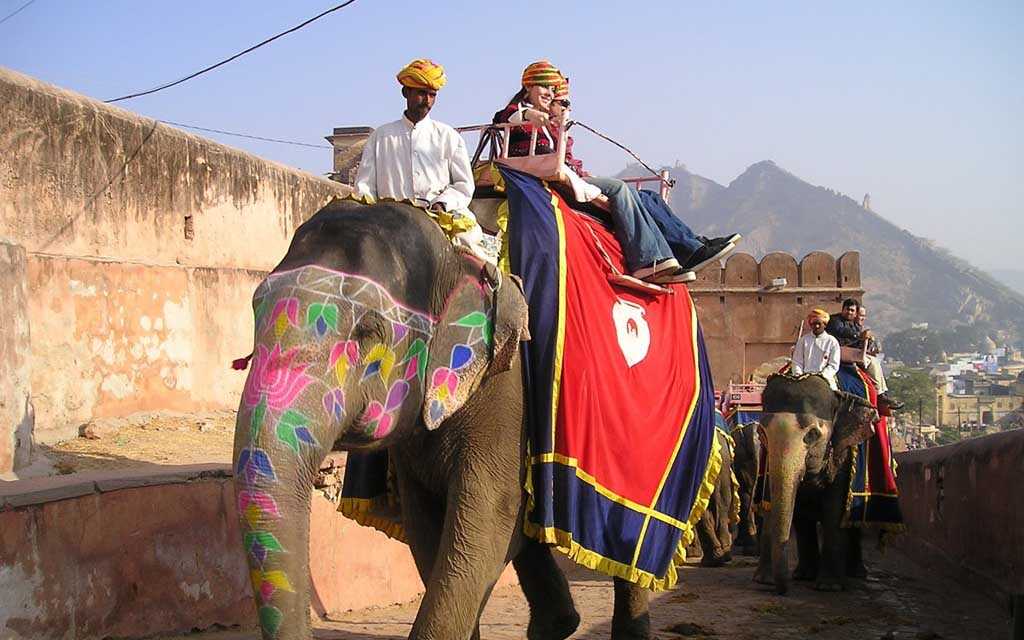
Wildlife tourism is an exciting and enriching way to explore the world’s diverse flora and fauna. It offers a unique opportunity to learn about different animal species, their behaviors, and habitats. However, irresponsible tourism can have a negative impact on wildlife, their ecosystems, and the local communities that depend on them.
As a responsible traveler, it’s important to follow ethical guidelines and choose destinations that prioritize conservation and sustainability.
Here are our top tips and destinations for responsible wildlife tourism.
Tips for Responsible Wildlife Tourism
Research your destination
Before booking your trip, research your destination to learn about their conservation efforts, animal welfare policies, and responsible tourism practices. Look for certifications and partnerships with reputable conservation organizations.
For example, the Rainforest Alliance’s Sustainable Tourism Certification ensures that tourism businesses meet strict environmental, social, and economic standards.
Avoid touching or feeding wildlife
Resist the temptation to touch or feed wildlife, as this can alter their natural behaviors and put them at risk of disease. Feeding wildlife can also lead to dependence on human food, which can be harmful to their health. Instead, observe them from a safe distance and follow the guidance of trained professionals.
Use eco-friendly products
When packing for your trip, use eco-friendly products such as biodegradable sunscreen, insect repellent, and toiletries. These products are less harmful to the environment and won’t pollute the water or harm wildlife. For example, biodegradable sunscreen breaks down quickly and doesn’t harm coral reefs or other marine life.
Respect local cultures
Respect the local customs and cultures of the communities you visit. Be mindful of your behavior, dress appropriately, and learn some of the local language.
Just by learning a few key phrases in the local language, you can show respect and appreciation for the local culture.
Choose responsible tour operators
Choose tour operators that prioritize conservation, sustainability, and ethical animal encounters. Look for operators that employ local guides and contribute to the local economy.
Responsible operators may limit the number of visitors or the duration of visits to sensitive areas to minimize disturbance to wildlife.
Reduce your carbon footprint
Traveling can have a significant impact on the environment. Reduce your carbon footprint by using public transportation, walking, or cycling. Choose accommodations that use renewable energy sources and minimize water waste.
For example, staying in eco-friendly lodges that use solar power or rainwater harvesting can reduce your impact on the environment.
Report any illegal activities
If you witness any illegal activities such as poaching, wildlife trafficking, or mistreatment of animals, report it to the appropriate authorities. Reporting illegal activities can help protect wildlife and prevent further harm.
Destinations for Responsible Wildlife Tourism
Galapagos Islands, Ecuador
The Galapagos Islands are a UNESCO World Heritage site and a unique destination for wildlife enthusiasts. Here, you can encounter giant tortoises, marine iguanas, sea lions, and many other species that are found nowhere else on earth.
The islands are protected by the Galapagos National Park, which strictly enforces regulations to protect the fragile ecosystems.
Visitors must follow designated trails and maintain a safe distance from wildlife.
Costa Rica
Costa Rica is a leader in eco-tourism and has many protected areas where you can observe a wide variety of wildlife such as monkeys, sloths, toucans, and jaguars. The country has a strong commitment to sustainability and has set ambitious goals to become carbon neutral by 2021.
For example, many lodges and tour operators in Costa Rica have been certified by the Rainforest Alliance for sustainable tourism practices.
South Africa
South Africa is home to the “big five” game animals (lion, leopard, elephant, buffalo, and rhino) as well as many other species. There are several responsible wildlife tourism destinations in South Africa, including the Kruger National Park and the Sabi Sands Game Reserve.
These destinations have strong conservation policies and promote responsible tourism practices. As an example, visitors are not allowed to leave their vehicles in the parks to ensure the safety of both humans and wildlife.
Borneo, Malaysia
Borneo is home to a diverse range of wildlife, including orangutans, proboscis monkeys, and pygmy elephants. The island has several protected areas, such as the Danum Valley Conservation Area and the Kinabatangan Wildlife Sanctuary, which offer opportunities to observe wildlife in their natural habitat.
Responsible tourism practices are promoted in these areas, such as limiting the number of visitors and offering education programs on conservation and sustainability.
Antarctica
Antarctica is a remote and pristine destination that is home to many unique species such as penguins, seals, and whales. Tourism is strictly regulated to protect the fragile ecosystems, and visitors must follow strict guidelines to minimize their impact.
For example, visitors must stay at least 5 meters away from wildlife and are not allowed to bring any non-native species to the continent.
Conclusion
Responsible wildlife tourism can offer an enriching and memorable experience while also contributing to conservation efforts and supporting local communities.
By following ethical guidelines, choosing responsible tour operators, and supporting destinations that prioritize sustainability, we can help protect wildlife and their habitats for generations to come.
When planning your next wildlife adventure, consider visiting one of the destinations listed above and make a positive impact on the world.