

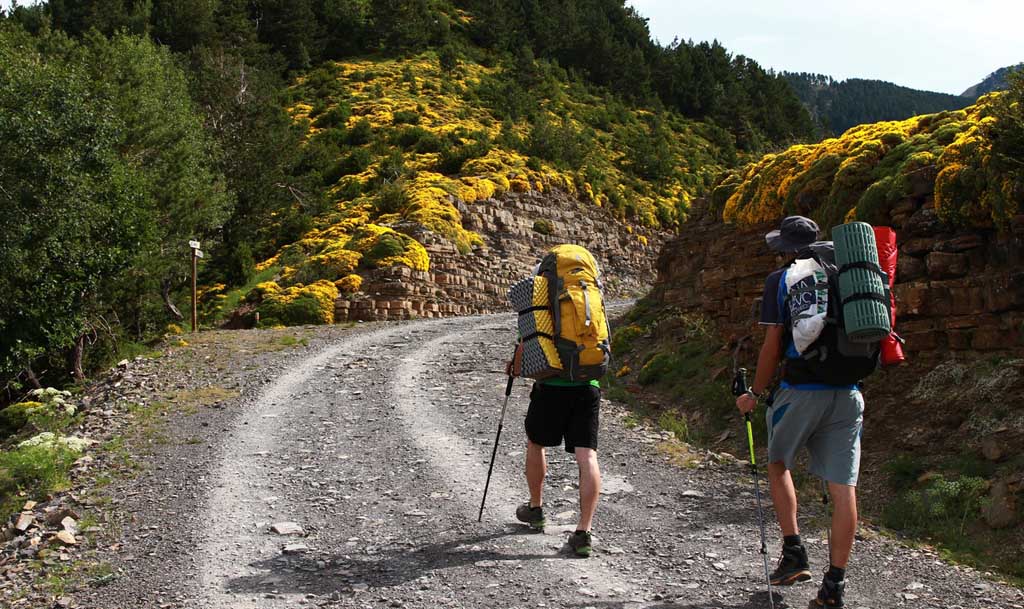
Hiking poles are an essential piece of equipment for hikers who want to stay safe and comfortable on the trail. They provide stability, balance, and support, making it easier to navigate difficult terrain.
We have written this guide to provide you with all the information you need to know about hiking poles, including how to choose the right one and how to use it properly.
What is a Hiking Pole?
A hiking pole, also known as a trekking pole, is a long stick that is used to aid hiking. They are typically made of lightweight materials like aluminum or carbon fiber, and come in a variety of styles and lengths. Hiking poles are designed to provide stability and support, particularly on uneven or slippery terrain.
Benefits of Using a Hiking Pole
Hiking poles offer numerous benefits to hikers, including:
- Improved Stability: Hiking poles help hikers maintain their balance on uneven or slippery terrain, reducing the risk of falls or injuries.
- Reduced Strain: By using hiking poles, hikers can reduce the strain on their legs, knees, and feet, particularly when hiking downhill.
- Increased Endurance: Hiking poles help hikers distribute their weight more evenly, reducing fatigue and increasing endurance.
- Faster Hiking: Hiking poles help hikers maintain a faster pace by providing extra propulsion and reducing fatigue.
Choosing the Right Hiking Pole
When choosing a hiking pole, there are several factors to consider, including:
- Material: Hiking poles are typically made of aluminum or carbon fiber. Aluminum poles are less expensive but slightly heavier, while carbon fiber poles are more expensive but lighter and more durable.
- Grip: Hiking poles come with different types of grips, including foam, cork, and rubber. Choose a grip that is comfortable and provides a secure hold.
- Length: The length of your hiking pole should be determined by your height and the type of terrain you will be hiking on. As a general rule, the pole should be adjusted so that your elbow is at a 90-degree angle when holding the pole.
- Shock Absorption: Some hiking poles come with built-in shock absorption systems that help reduce the impact on your joints. This can be particularly helpful when hiking downhill.
Using Your Hiking Pole
To get the most benefit from your hiking pole, it’s important to use it properly. Here are some tips:
- Adjust the length of your pole so that your elbow is at a 90-degree angle when holding the pole.
- Hold the pole with a relaxed grip, allowing it to move freely in your hand.
- Use both poles for maximum stability and balance.
- Place the pole ahead of you and slightly to the side, planting it firmly in the ground before taking a step.
- When hiking uphill, shorten your poles to provide more leverage.
- When hiking downhill, lengthen your poles to help absorb shock and reduce strain on your knees.
- Use your hiking poles to test the stability of the terrain before taking a step.
By following these tips, you can make the most of your hiking pole and enjoy a safer and more comfortable hiking experience.
In addition to the benefits mentioned above, hiking poles can also help reduce your impact on the environment by spreading out your weight and reducing erosion. They can also be used to clear spider webs or brush from your path, making your hike more enjoyable.
It’s important to remember that hiking poles are not just for experienced hikers or those with knee problems. They can be used by anyone who wants to improve their hiking experience, whether you’re a beginner or an experienced hiker.
Conclusion
A hiking pole can be an invaluable piece of equipment for hikers of all levels. By choosing the right pole and using it properly, you can improve your stability, reduce strain and increase endurance, making your hiking experience safer and more enjoyable.
Before purchasing a hiking pole, make sure to do your research and read reviews from other hikers to find the right one for you. It’s also a good idea to try out different types of poles and grips to find the one that feels most comfortable and secure.
When on the trail, remember to always use your hiking pole responsibly and respect the environment around you. Keep your pole close to your body and be mindful of other hikers on the trail.
In summary, a hiking pole is a valuable piece of equipment for hikers that provides stability, support, and reduces strain on the legs, knees, and feet. By choosing the right hiking pole and using it properly, you can enjoy a safer and more comfortable hiking experience.