


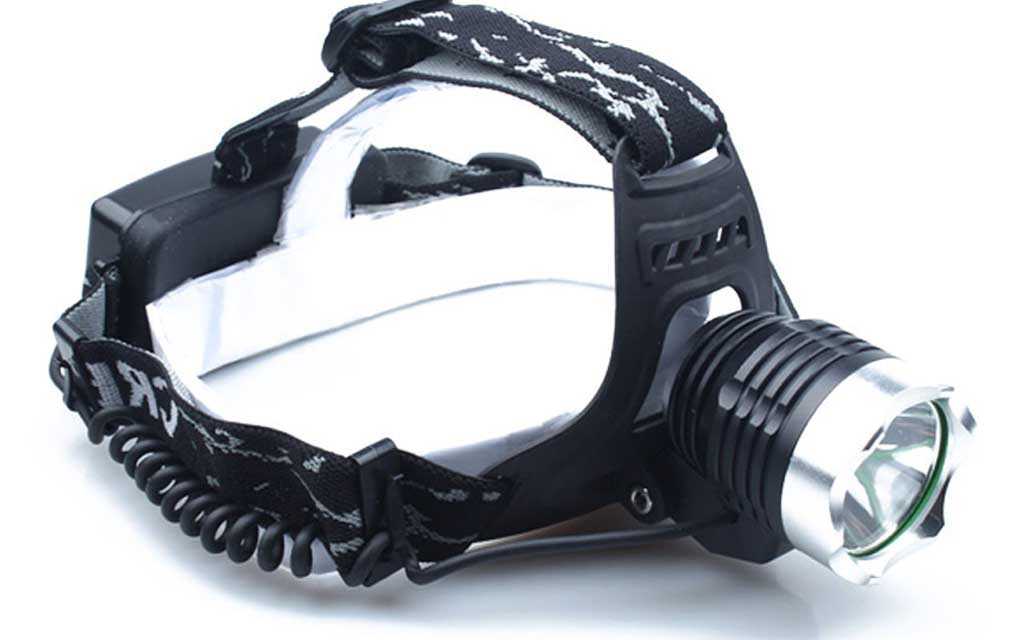
Whether you’re camping, hiking, biking, running, or working in the dark, a good headlamp is an essential tool. With so many different options on the market, it can be tough to choose the right one for your needs.
In this buying guide, we’ll explore the various features, specifications, and purchasing criteria you should consider when shopping for a headlamp.
Functions and Features
Before you start shopping, it’s important to understand what features and functions a headlamp can offer.
Here are some of the most important ones:
- Brightness: Headlamp brightness is measured in lumens, with most models ranging from 50-1000 lumens. The higher the lumens, the brighter the light. Consider what activities you’ll be using your headlamp for to determine what brightness level you need.
- Beam distance: This is the maximum distance that the headlamp’s beam will reach. The farther the beam distance, the better visibility you’ll have in the dark.
- Beam type: Headlamps typically offer three beam types: flood, spot, and adjustable. Flood beams provide wide, even lighting, while spot beams offer focused lighting for better visibility at a distance. Adjustable beams allow you to switch between the two.
- Battery life: Headlamps can run on either disposable or rechargeable batteries. Consider how long you’ll be using your headlamp and how often you want to replace or recharge the batteries.
- Water resistance: If you plan on using your headlamp in wet conditions, look for a model with good water resistance. Most headlamps are rated using the IPX system, with higher numbers indicating better water resistance.
- Comfort: Consider the weight and fit of the headlamp, as well as the material of the headband. A comfortable headlamp is one you’ll be more likely to use regularly.
Product Types and Categories
Headlamps come in a variety of shapes and sizes, each designed for different uses. Here are some of the most common types of headlamps:
- Outdoor headlamps: These are designed for hiking, camping, and other outdoor activities. They tend to be brighter and more durable than other models.
- Running headlamps: These are designed for runners, with a lightweight and comfortable design that won’t bounce around during exercise.
- Work headlamps: These are designed for professionals who need to work in dark or low-light conditions, such as electricians, mechanics, and miners.
- Kids’ headlamps: These are designed for children and tend to be more lightweight and durable than adult models.
Selection and Purchasing Criteria
When shopping for a headlamp, here are some criteria to consider:
- Brightness: Consider the brightness level you need based on your planned activities.
- Battery life: Look for a headlamp with a battery life that meets your needs.
- Water resistance: Consider the level of water resistance you need based on your planned activities.
- Comfort: Choose a headlamp that feels comfortable to wear for long periods of time.
- Brand reputation: Look for reputable brands with good reviews and warranties.
- Price: Set a budget and look for headlamps within your price range.
Pros and Cons
Like any product, headlamps have both advantages and disadvantages. Here are some of the most notable ones:
Pros
- Provides hands-free lighting.
- Can be used in a variety of settings.
- Lightweight and portable.
- Can be used for emergency situations.
- Many models offer adjustable brightness levels and beam types.
Cons
- Can be expensive.
- Battery life may be limited.
- May not be as bright as traditional flashlights.
- May not be suitable for very specific uses.
Conclusion
A headlamp is a versatile and essential tool for anyone who spends time in the dark. When shopping for a headlamp, consider the brightness level, beam distance, beam type, battery life, water resistance, and comfort.
Choose a headlamp that meets your needs and falls within your budget. With the right headlamp, you’ll be able to see clearly in the dark and stay safe during any activity.