


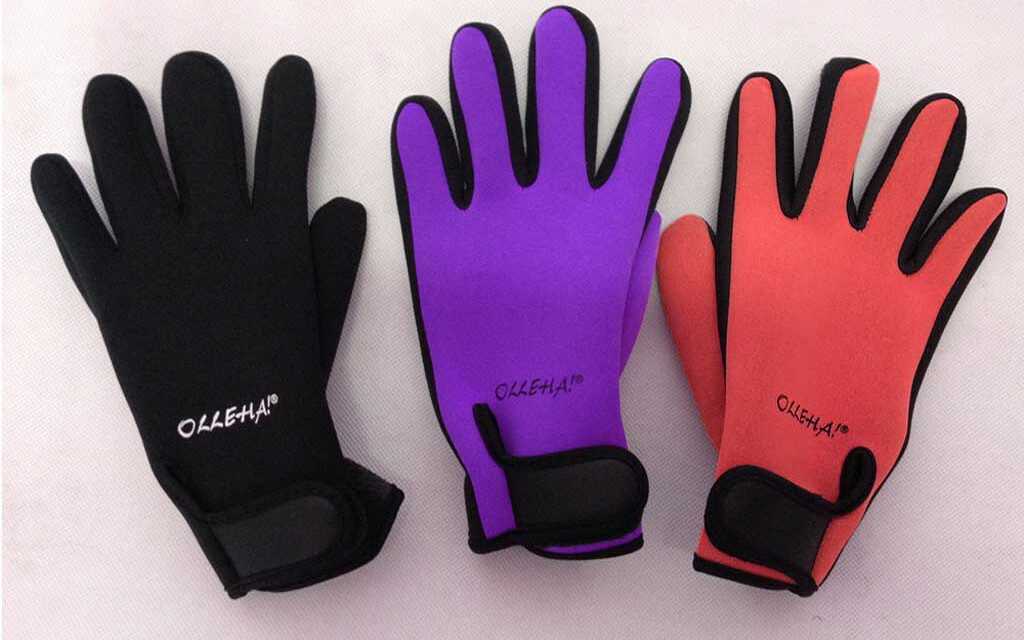
Diving gloves are an essential piece of diving gear that provides protection and insulation for your hands while diving. Whether you’re a professional diver or a recreational diver, investing in a good pair of diving gloves is crucial for your safety and comfort.
Read the rest of this article where you can find everything you need to know before making a purchase.
Functions and Functionalities
Diving gloves serve two primary functions, protection and insulation. Protection is essential to prevent injuries to your hands, and insulation is necessary to keep your hands warm in cold water.
Diving gloves come in different materials, including:
- Neoprene gloves are the most popular choice as they provide good insulation and are comfortable to wear.
- Latex gloves are more durable and offer better protection against cuts and abrasions.
- Rubber gloves are the most durable and are often used for commercial diving and fishing.
In addition to protection and insulation, diving gloves can have other functionalities. Some gloves come with textured palms and fingers, providing better grip on surfaces and equipment. Others have reinforced padding on the knuckles or back of the hands for added protection.
Some gloves even have touch screen compatibility, allowing you to use your phone or other electronic devices without removing your gloves.
Features and Options
When choosing diving gloves, consider the following features and options:
- Thickness: The thickness of the gloves determines the level of insulation and protection they provide. Thicker gloves offer more insulation but may restrict hand movement. Thinner gloves provide better dexterity but less insulation.
- Size: It’s essential to choose the right size of gloves to ensure a comfortable and snug fit. Gloves that are too small can restrict blood flow, while gloves that are too big can let water in and reduce insulation.
- Closure type: Diving gloves come with different closure types, including zippers, velcro, and slip-on. Zippers offer a secure fit and are easy to put on and take off. Velcro closures are adjustable and provide a custom fit. Slip-on gloves are quick to put on but may not offer a secure fit.
- Grip: Some diving gloves come with textured palms and fingers that provide a better grip on surfaces and equipment.
Product Types and Categories
There are two main types of diving gloves: full-finger gloves and lobster gloves. Full-finger gloves cover the entire hand, including the fingers, and provide better insulation and protection. Lobster gloves, on the other hand, have a split design that separates the index and middle fingers from the ring and little fingers. Lobster gloves offer better dexterity but less insulation.
Diving gloves also come in different categories based on their intended use. For example, dry gloves are designed to keep your hands dry during cold water diving, while wetsuit gloves are intended to be worn with a wetsuit to provide additional insulation.
Purchasing Criteria
When purchasing diving gloves, consider the following criteria:
- Water temperature: The water temperature is the most critical factor to consider when choosing diving gloves. Thicker gloves are suitable for colder water, while thinner gloves are better for warmer water.
- Diving environment: Consider the type of diving you’ll be doing and the environment you’ll be diving in. For example, if you’ll be diving in rocky areas, you may want gloves with extra padding and protection.
- Budget: Diving gloves come in different price ranges, so it’s essential to choose a pair that fits your budget. However, keep in mind that investing in high-quality gloves can save you money in the long run by reducing the need for frequent replacements.
- Brand and reputation: Research different brands and read reviews to ensure you choose a reputable brand with a good track record of producing high-quality diving gloves.
Pros and Cons
Pros
- Diving gloves provide protection and insulation
- They allow you to handle equipment and surfaces without getting cuts or abrasions
- They come in different materials, sizes, and designs to suit different needs and preferences
- Some gloves offer added functionalities such as touch screen compatibility and textured palms for better grip
- They are essential for cold water diving and can make your diving experience more comfortable and enjoyable
Cons
- Thicker gloves can restrict hand movement, making it difficult to handle equipment and perform tasks that require fine motor skills
- Slippery materials like latex can make it difficult to grip certain surfaces and equipment
- Some gloves may not fit properly, causing discomfort and restricting blood flow
- They can be expensive, especially if you opt for high-quality gloves
Conclusion
Choosing the right diving gloves is essential for your safety and comfort while diving. Consider the water temperature, diving environment, and your budget when selecting a pair of gloves.
Look for gloves that offer the right level of protection and insulation for your needs and have features that suit your preferences.
Remember to choose a reputable brand with a good track record of producing high-quality diving gloves. With the right pair of gloves, you can enjoy your diving experience while keeping your hands safe and warm.