


Camping is a great way to explore the outdoors and enjoy some time away from the hustle and bustle of city life. Whether you’re planning a solo trip or a family vacation, a camping tent is an essential piece of gear that can make or break your camping experience.
With so many different types, sizes, and features available, choosing the right camping tent can be overwhelming. This buying guide will help you navigate the options and choose the perfect camping tent for your needs.
1. Consider Your Camping Needs
The first step in choosing a camping tent is to consider your specific camping needs. Ask yourself the following questions:
- How many people will be sleeping in the tent?
- What is the climate like where you will be camping?
- How much space do you need for gear and equipment?
- Will you be backpacking or car camping?
- What features are important to you, such as ventilation, storage, or ease of setup?
2. Determine Your Budget
Camping tents come in a wide range of prices, from budget-friendly options to high-end models with all the bells and whistles. Determine your budget before you start shopping, and stick to it.
Keep in mind that while a higher price tag may indicate better quality and features, there are also plenty of affordable options that are still high-quality and functional.
3. Choose the Right Type of Camping Tent
There are several different types of camping tents, each with their own unique features and advantages.
Here are the most common types of camping tents:
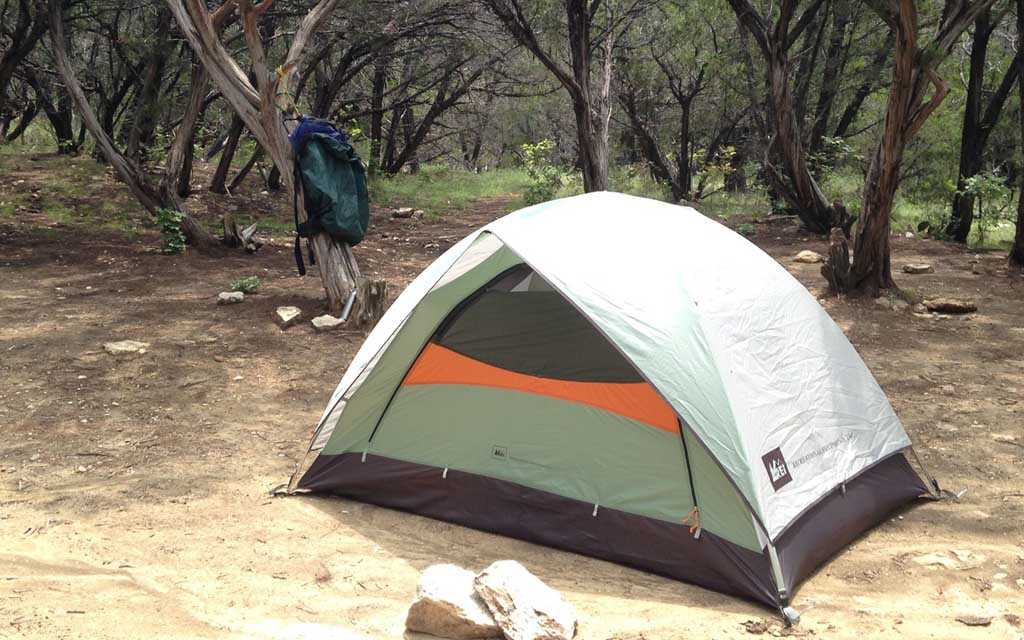
- Dome Tents: These are the most popular type of camping tent, with a simple, easy-to-set-up design that is perfect for families and groups. They are typically freestanding, with a dome-shaped frame and a rainfly that covers the tent for added protection from the elements.
- Cabin Tents: Cabin tents are large and spacious, with vertical walls that provide plenty of headroom and floor space. They are ideal for car camping and family camping trips, but they can be more difficult to set up than dome tents.
- Backpacking Tents: If you’re planning a backpacking trip, you’ll need a lightweight and compact tent that is easy to carry. Backpacking tents are designed to be lightweight and easy to set up, with a minimalist design that prioritizes functionality over comfort.
- Tunnel Tents: Tunnel tents are designed to be lightweight and easy to set up, with a tunnel-shaped frame that provides plenty of interior space. They are ideal for backpacking trips and solo camping.
4. Consider Tent Size and Capacity
When choosing a camping tent, it’s important to consider the size and capacity of the tent. Tents are typically rated by the number of people they can comfortably sleep, but keep in mind that these ratings can be a bit optimistic. For example, a four-person tent may only comfortably fit three adults.
If you’re camping with a group or family, consider choosing a tent with a higher capacity than you think you’ll need to ensure that everyone has enough space.
5. Look for Key Features and Functionalities
Once you’ve narrowed down your options based on your specific camping needs, budget, and type of tent, it’s time to consider the specific features and functionalities that are important to you.
Here are some key features to look for when choosing a camping tent:
- Ventilation: Look for a tent with plenty of ventilation, such as mesh panels or windows, to help keep you cool and comfortable on warm nights.
- Rainfly: A rainfly is essential for protecting your tent from the elements, so look for a tent with a high-quality rainfly that is easy to attach and remove.
- Storage: Look for a tent with plenty of storage options, such as gear lofts or mesh pockets, to keep your gear organized and off the ground.
- Vestibules: A vestibule is an enclosed area outside of the tent that provides additional storage space or a sheltered area to cook or relax.
- Footprint: A footprint is a protective ground cover that goes under your tent to protect it from damage and wear and tear.
- Easy Setup: Look for a tent with a simple and easy-to-set-up design, especially if you’re new to camping or traveling alone.
- Durability: Choose a tent made from high-quality materials that are durable and can withstand wind, rain, and other elements you may encounter on your camping trip.
6. Check Reviews and Ratings
Before making your final decision, check reviews and ratings from other campers who have used the tent you’re considering. Look for reviews that provide specific details about the tent’s performance, ease of use, and durability. This can help you make an informed decision and choose a tent that will meet your specific needs and expectations.
Conclusion
Choosing the right camping tent is an essential part of any successful camping trip. By considering your specific camping needs, budget, and the type of tent you need, you can narrow down your options and choose a tent that will meet your needs and expectations.
Look for key features like ventilation, storage, and ease of setup, and check reviews and ratings to ensure that you’re making an informed decision.
With the right camping tent, you’ll be well on your way to enjoying a comfortable and memorable camping experience.